

Why Your Eye Drops Aren't Working (And What Actually Helps)
TL;DR
Reading time: 8 minutes
Reviewed by: Goodmood Research
Sources: 1 eye care specialist, 7 research areas
You’re not failing. Your eye drops probably are. Dry eye is often caused by habits,not just tear quantity. Fix the habits, and your eyes actually heal.
The Real Problem
You’ve tried everything:
- Three different brands of eye drops
- Prescription treatments
- Maybe even a doctor visit
Your eyes are still dry, red, and uncomfortable.
The frustrating truth? Most dry eye treatment fails because people are treating the symptom, not the cause.
Eye drops are band-aids. The real problem is usually something you’re doing every single day,and don’t even realize.
The 7 Habits Making Your Dry Eyes Worse
Habit 1: Excessive Screen Time
What’s happening:
- When you focus on a screen, you blink 66% less often
- When you do blink, it’s incomplete,your eyes stay partially exposed
- Your tear film evaporates faster
Why it matters for you: If you work on a computer, your dry eye isn’t random. It’s predictable. The more you stare, the drier you get.
Fix it:
- Take a 20-second break every 20 minutes
- Look away at something 20 feet away (the “20-20-20 rule”)
- Use a screen overlay that reduces glare , when your eyes strain less, you blink more naturally
- Intentionally blink fully (close your eyes completely for 1-2 seconds)
Habit 2: Ignoring Your Environment
What’s happening: Your environment is attacking your tears constantly.
Common culprits:
- Outside: Wind dries eyes fast (side exposure)
- Inside: Air conditioning, heating vents, fans blow air directly at your face
- General: Low humidity (especially in winter or dry climates)
- Allergies: Can trigger inflammation that worsens dryness
Fix it:
- Wear wide-wrapping sunglasses when outside
- Point fans, AC vents, heaters away from your face
- Use a humidifier (bedroom, office, living room)
- Manage allergies (talk to your doctor about allergy-safe options)
Habit 3: Not Cleaning Your Eyelids
What’s really on your eyelids:
Eyelid Buildup (What doctors see under a microscope):
• Dead skin cells
• Excess oils
• Eyelash mites (yes, really)
• Bacteria
What this causes:
- Blepharitis (eyelid inflammation)
- Blocked oil glands (Meibomian gland dysfunction)
- Worse dry eye symptoms
The connection: Your eyelids produce oils that protect your tear film. If they’re clogged, tears evaporate faster.
Fix it:
- Clean your eyelids and lashes every 1-2 days
- Use an eyelid wipe or eyelid cleanser (warm compress + gentle massage also works)
- Takes 2 minutes, prevents months of problems
Habit 4: Using the Wrong Eye Drops
The trap: Not all eye drops help. Many make it worse.
The bad guys:
| Drop Type | Problem | Why |
|---|---|---|
| ”Get the Red Out” drops | Rebound redness | Constrict blood vessels; effect wears off and eyes get redder |
| Drops with BAK preservative | Toxic to cornea | BAK (benzalkonium chloride) damages the eye surface over time |
| Generic “moisture” drops | Too thin | Don’t stay on the eye long enough |
What to use instead:
- Preservative-free eye drops (or non-BAK preservation)
- Thicker gels (especially at night)
- Hypoallergenic formulas
- Talk to your eye doctor about what’s right for your dry eye type
Habit 5: Sleeping with Eyes Partially Open
What’s happening: You wake up more dry than when you went to bed. Your eyes are probably open just a tiny bit while you sleep.
Why it’s damaging:
- Overnight exposure without tears = no healing time
- Dry eye gets worse instead of better during sleep
- Creates a cycle: drier each morning
How to tell if this is you:
- Eyes feel most dry right when you wake up
- Dryness improves throughout the day (as you blink and produce tears)
Fix it:
- Use thicker eye drop gels before bed
- Try nighttime ointments (heavier than daytime drops)
- Use a sleep mask or special eyelid tape (keeps eyelids closed)
- Humidify your bedroom
Habit 6: Ignoring Other Health Conditions
Conditions that worsen dry eye:
Autoimmune diseases
• Sjögren's syndrome
• Rheumatoid arthritis
• Lupus

Metabolic issues
• Diabetes
• Hormone imbalances
• Thyroid problems

Skin conditions
• Rosacea
• Eczema

Other
• Allergies
• Vitamin D deficiency
Why it matters: These conditions trigger inflammation throughout your body,including your eyes and tear glands.
Fix it:
- If you have any of these, manage them actively
- Work with your doctor on your treatment plan
- Controlling the underlying condition often improves dry eye naturally
Habit 7: Inflammatory Diet & Alcohol
What’s happening: Food is medicine or poison, depending on what you eat.
Foods that trigger inflammation:
- Alcohol (proven to worsen dry eye for some people)
- High-sugar foods
- Processed foods
- Foods high in omega-6 (vegetable oils, processed snacks)
Foods that help:
- Omega-3 rich foods (salmon, sardines, walnuts, flax)
- Vitamin A (carrots, sweet potatoes, leafy greens)
- Vitamin D (fatty fish, egg yolks, sunlight)
- Antioxidants (berries, dark chocolate, green tea)
Fix it:
- Reduce alcohol (especially if you notice dry eye flare-ups after drinking)
- Eat more omega-3s
- Stay hydrated (drink water, not just tea/coffee)
- Notice patterns (does your dry eye spike after certain foods?)
Putting It Together: Your Action Plan
This week:
□ Clean your eyelids (tonight)
□ Reduce screen time (set a timer for 20-minute breaks)
□ Check your environment (turn fans/AC away from face)
□ Switch to preservative-free eye drops
This month:
□ Add a humidifier to your bedroom
□ Get wide-wrap sunglasses
□ Start an eyelid cleaning routine (every 1-2 days)
□ Review any health conditions with your doctor
□ Add omega-3s to your diet
How Screen Overlays Fit In
Screen time is the biggest culprit for most office workers. You can’t eliminate screens, but you can reduce strain.
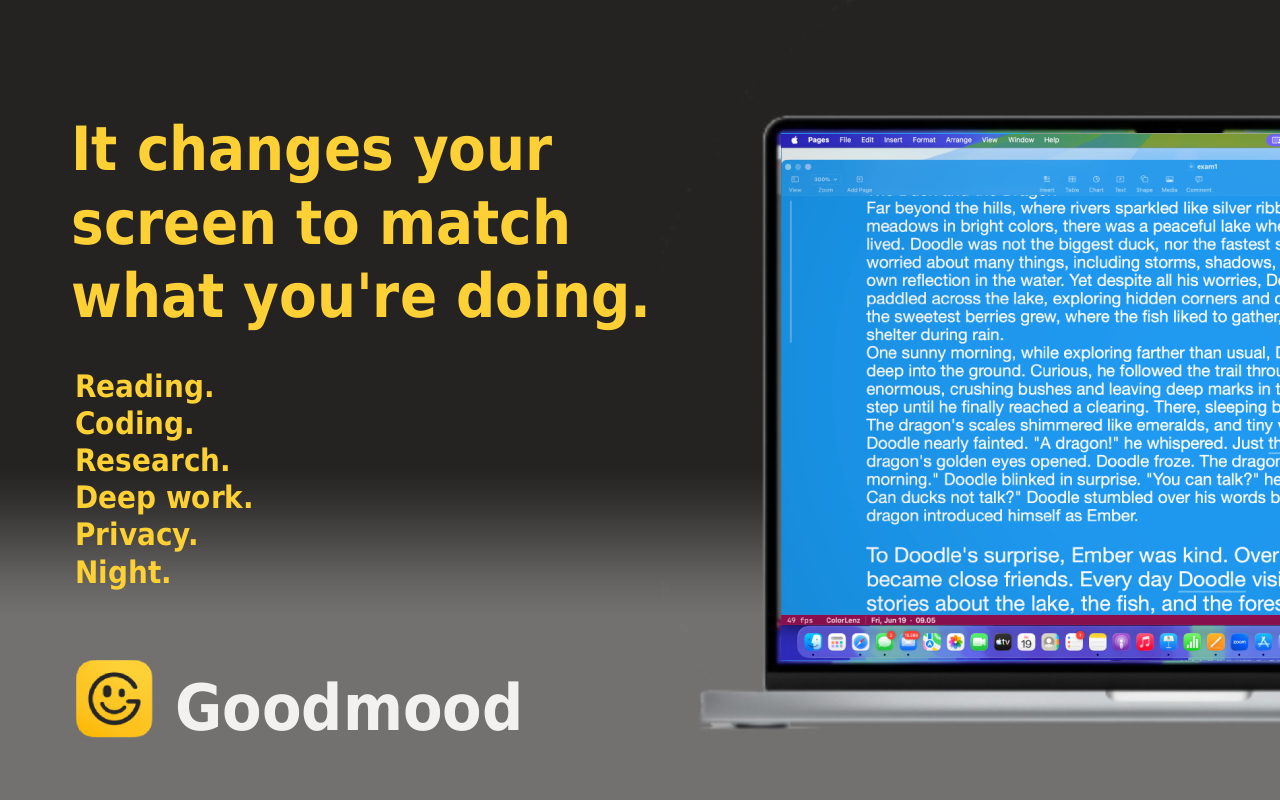
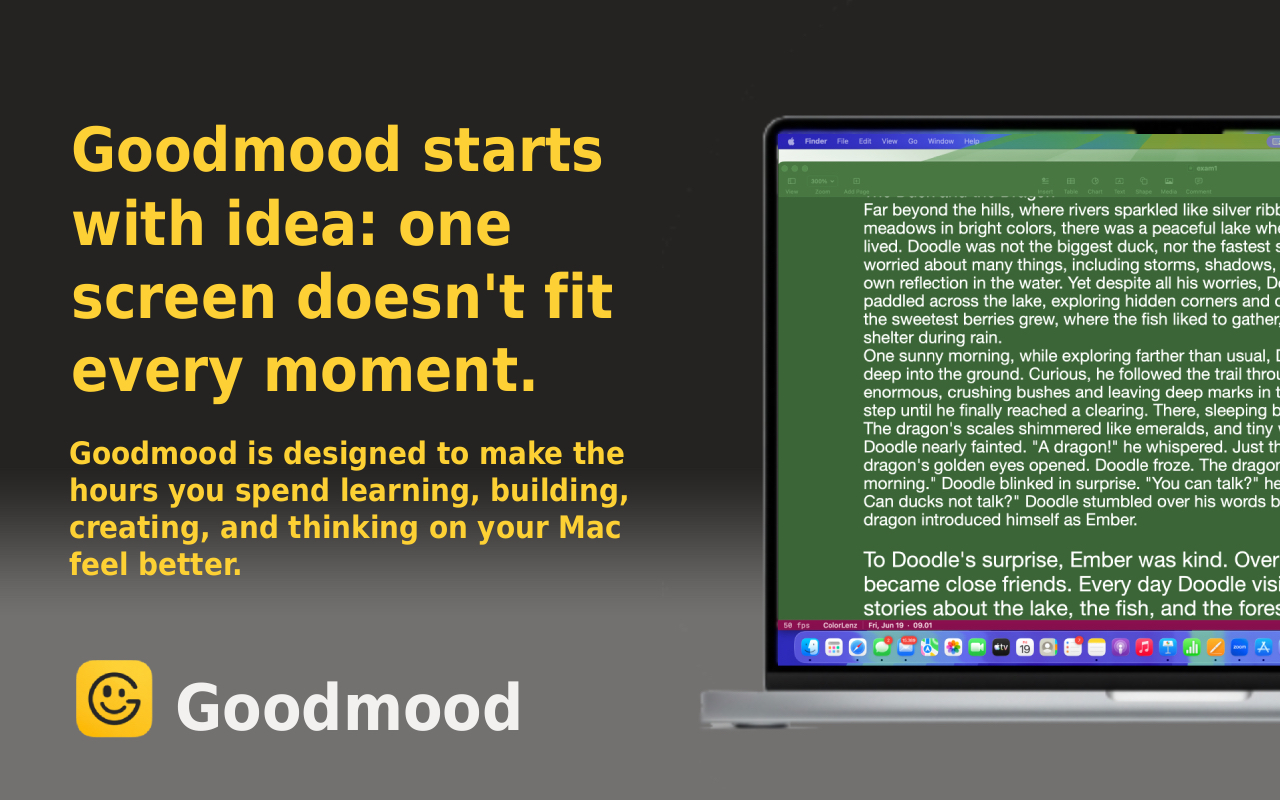
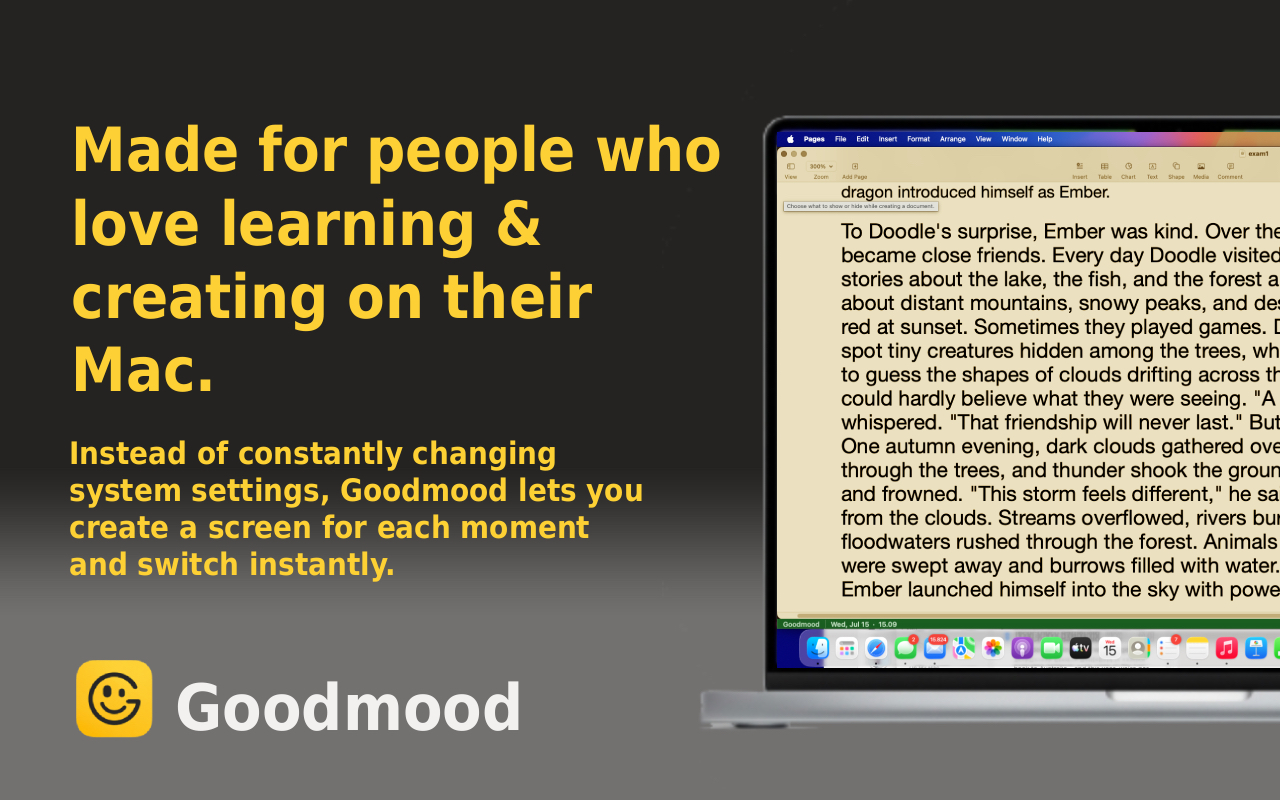
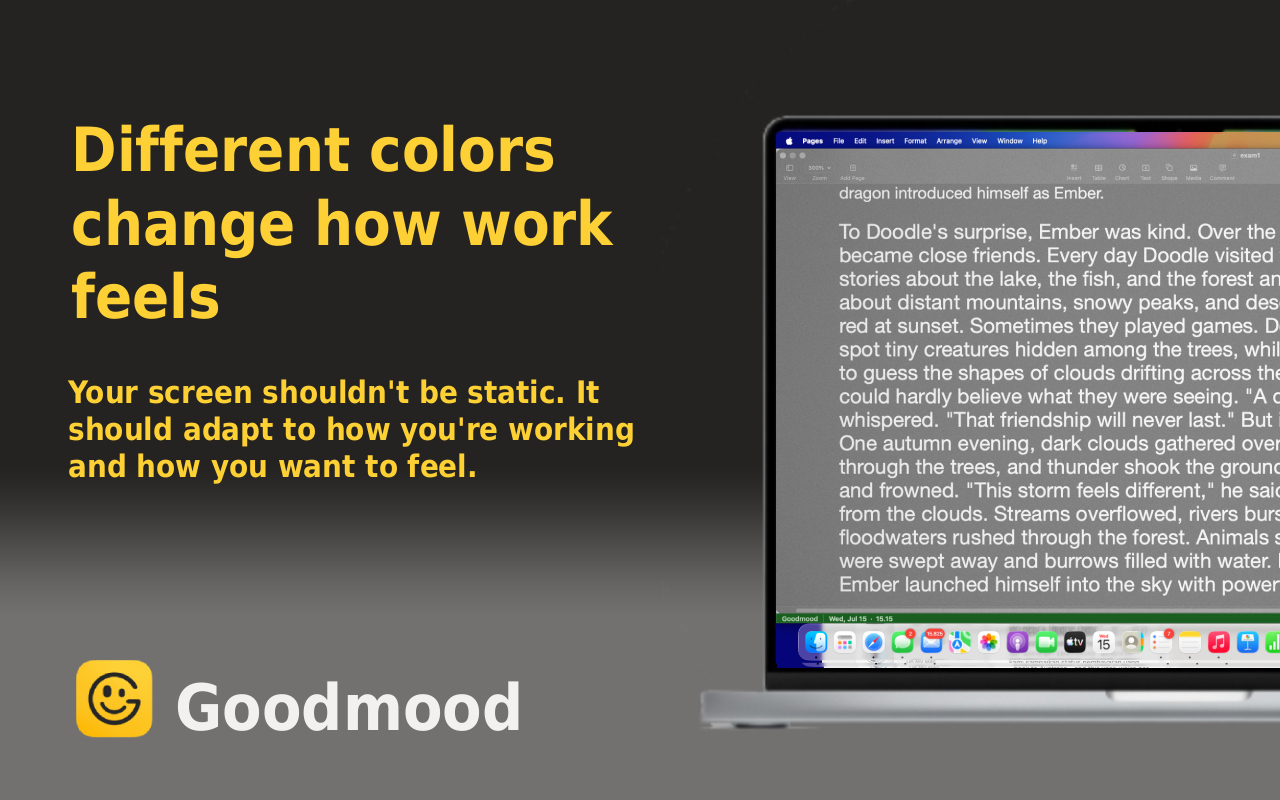
A screen overlay (like Goodmood) helps because:
- Reduces glare → you strain less → you blink more naturally
- Dims harsh blues and whites → your pupils relax → tears distribute better
- Makes focusing easier → fewer complete sessions of hyperfocus staring
It’s not a cure. But combined with the 7 habits above, it’s a meaningful part of the solution.
Discover Goodmood - Screen Companion
Related Reading
- How to Set Up Your Workspace for Dry Eye Relief
- The Complete Guide to Eyelid Hygiene
- Omega-3s and Eye Health: What the Research Says
- Understanding Blepharitis and Meibomian Gland Dysfunction
Sources
Expert:
- Dr. Allen, Eye Care Specialist (YouTube: “7 Habits Making Dry Eyes Worse”)
Additional resources mentioned:
- HelpMyze.com (dry eye product recommendations)
- Research on reduced blinking during screen use
- BAK preservative toxicity studies
Want the full explanation?
Watch Dr. Allen’s video: “7 Habits Making Dry Eyes Worse” (12 min)